
Key Takeaways
- Precision tube assemblies are engineered conduits with exact dimensional tolerances and specific material properties for high-pressure and extreme-temperature applications
- Automotive holds 35% market share while medical tubing experiences the fastest growth at 6.98% CAGR through 2035
- Manufacturing processes range from cold drawing for tight tolerances to micro-extrusion for inner diameters as small as 0.002 inches
- Industry specifications dictate material compatibility, surface finishes, and regulatory compliance, including AS9100 for aerospace and ISO 13485 for medical devices
- Regional distribution shows North America at 40% market share, followed by Asia-Pacific at 30% and Europe at 25%
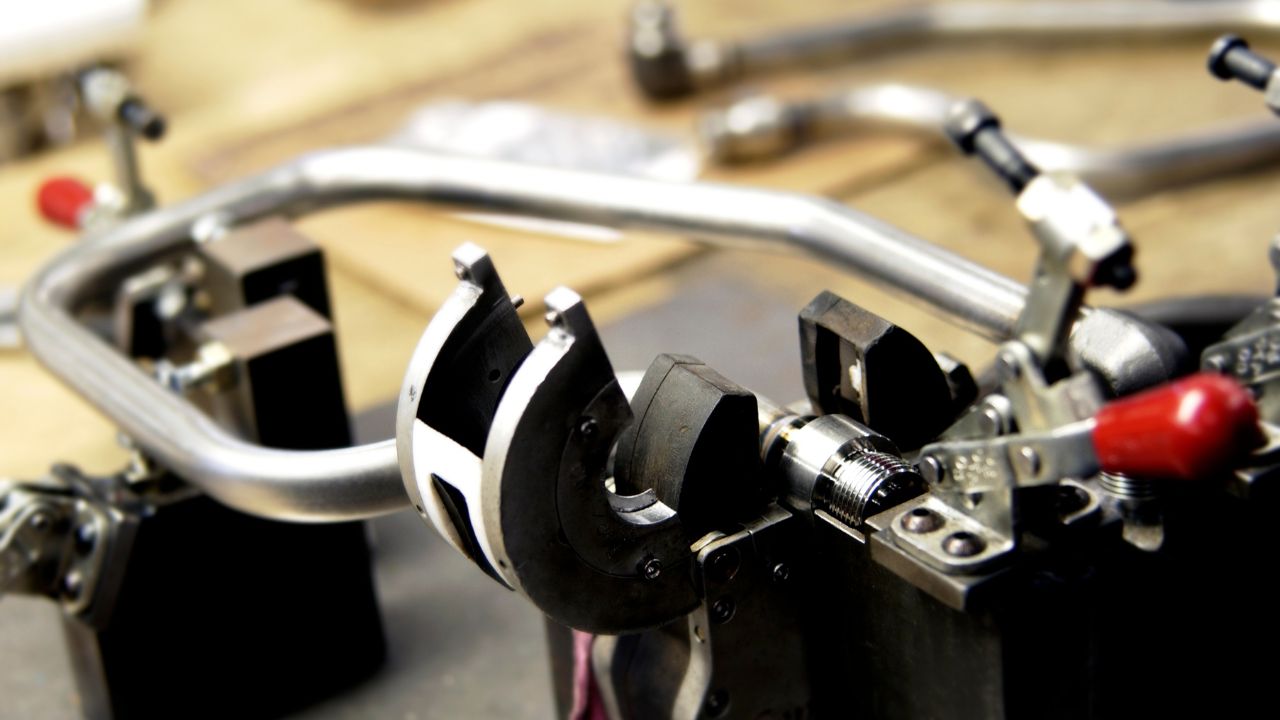
Precision tube assemblies form the backbone of modern manufacturing across sectors where dimensional accuracy directly impacts safety and performance. These engineered components deliver fluids, gases, and mechanical forces in applications ranging from automotive fuel systems to medical catheters, each requiring specific tolerances and material properties. Industries demanding precision tubes share common requirements: resistance to pressure, temperature extremes, and corrosive environments while maintaining exact dimensional specifications throughout the product lifecycle.
The global precision tubes market reached USD 16.73 billion in 2025 and is projected to grow to USD 84.37 billion by 2035. This expansion reflects increasing demand from electric vehicle production, minimally invasive surgical procedures, and semiconductor manufacturing equipment requiring specialized fluid delivery systems.
What Are Precision Tube Assemblies and Their Core Functions?
Definition and Key Characteristics
Precision tubes are engineered conduits characterized by exact dimensional tolerances, superior surface finishes, and specific material properties. These components differ from standard tubing through controlled manufacturing processes that achieve tolerances measured in thousandths of an inch and surface finishes critical for fluid dynamics.
Seamless tubes have superior structural integrity compared to welded tubes, making them preferred for high-pressure applications. This manufacturing approach eliminates the longitudinal weld seam that can represent a structural weakness under cyclic loading or extreme pressure conditions.
Seamless tubes account for approximately 70% of the market across critical applications. The preference stems from their ability to withstand higher burst pressures and maintain dimensional stability throughout temperature cycling.
Performance Requirements in Critical Applications
Performance specifications for precision tubes vary by application but share fundamental requirements for pressure resistance and dimensional stability. Automotive fuel injection systems demand tubes that maintain inner diameter tolerances within 0.001 inches while resisting pressures exceeding 2,000 PSI. Medical applications require biocompatibility alongside dimensional precision, particularly for catheter tubing that must navigate vascular pathways without deformation.
Aerospace applications impose the most stringent performance criteria, combining pressure resistance with extreme temperature ranges. Aerospace tube forming requirements include thermal stability from -65°F to 450°F while maintaining structural integrity under vibration and mechanical stress.
Material and Manufacturing Processes Overview
Cold drawing is the preferred manufacturing process to achieve the necessary surface finish and tight tolerances. This process pulls the tube through a die at room temperature, work-hardening the material while reducing diameter and improving surface quality. The result delivers surface roughness measurements below 32 microinches Ra and dimensional tolerances within ±0.0005 inches for critical applications.
Micro-extrusion capabilities produce tubing with inner diameters as small as 0.002 inches. Medical device manufacturers utilize these miniaturized tubes for neurovascular applications and drug delivery systems where conventional manufacturing methods cannot achieve the required scale.
Which Industries Demand Precision Tube Assemblies Most?
Automotive Applications and Requirements
Fuel injection systems in automotive applications require precision tubes that deliver fuel at exact pressures and flow rates. These assemblies must resist corrosion from ethanol-blend fuels while maintaining dimensional stability across temperature ranges from -40°F to 300°F. Exhaust systems in automotive applications utilize stainless steel precision tubes engineered to withstand thermal cycling and corrosive exhaust gases.
Structural components in automotive applications include roll cage tubing and chassis reinforcements that meet specific strength-to-weight ratios. Hydraulic cylinder liners in automotive applications and shock absorber cylinders require precision-honed inner surfaces to minimize friction and seal wear.
Aerospace Industry Needs and Specifications
Fuel delivery systems in aerospace applications transport aviation fuel from tanks to engines under varying pressure and temperature conditions. These assemblies incorporate titanium and specialized alloys that reduce weight while exceeding strength requirements for commercial and military aircraft. Hydraulic actuation systems in aerospace applications control flight surfaces, landing gear, and cargo doors through tube assembly services that integrate precision-bent tubes with fittings and valves.
Thermal regulation systems in aerospace applications circulate coolants and heat transfer fluids within tight spatial constraints. Pneumatic controls in aerospace applications require tubes with controlled permeability to prevent gas loss while maintaining pressure integrity throughout the aircraft’s operational envelope.
Medical Device Precision Tubing Uses
Drug delivery systems in medical applications utilize precision extrusion techniques to produce tubes with exact inner diameters that control flow rates. These assemblies must meet biocompatibility standards under ISO 10993 and USP Class VI while withstanding sterilization cycles. Catheters in medical applications represent the largest segment of medical tubing, valued at USD 9.57 billion in 2026, with projections reaching USD 17.56 billion by 2035.
Neurovascular applications in medical devices demand the smallest diameter tubes available, some measuring less than 0.010 inches in outer diameter. Oxygen concentrators in medical equipment require material selection that prevents oxygen degradation while maintaining flexibility for patient comfort.
How Do Industry Specifications Affect Tube Assembly Design?
Dimensional Tolerances and Surface Finishes
Dimensional tolerances directly impact assembly functionality across all precision tube applications. Automotive hydraulic systems specify inner diameter tolerances of ±0.001 inches to ensure proper seal function and prevent fluid bypass. Surface finish requirements range from 32 microinches Ra for general industrial applications to 8 microinches Ra for medical devices where surface irregularities could harbor bacteria or disrupt flow characteristics.
Aerospace specifications impose combined tolerances for straightness, roundness, and concentricity that ensure proper fit within confined mounting spaces. Medical device manufacturers require surface finishes that facilitate sterilization while preventing protein adhesion during blood contact applications.
Material Compatibility and Corrosion Resistance
Material compatibility determines tube selection based on fluid characteristics and environmental exposure. Stainless steel grades 304 and 316 serve general industrial applications, with 316 providing enhanced corrosion resistance for marine and chemical processing environments. Titanium alloys offer superior strength-to-weight ratios for aerospace applications while resisting corrosion from aviation fuels and hydraulic fluids.
Medical applications require materials that meet biocompatibility standards without leaching compounds into bodily fluids. Thermoplastic elastomers and medical-grade silicones provide flexibility and sterilization resistance for catheter applications, though raw material volatility can cause price fluctuations up to 30%.
Regulatory and Certification Standards
Stringent regulatory requirements (AS9100) in the aerospace industry govern manufacturing processes, material traceability, and quality management systems. Extensive certification processes in the aerospace industry require documentation of material composition, mechanical properties, and dimensional verification for each production lot. Rigorous FDA validation cycles in the medical industry ensure device safety and efficacy through extensive testing protocols.
High compliance costs in the medical industry include facility modifications for cleanroom manufacturing and ongoing quality system maintenance. FDA validation cycles require 18-24 months from initial submission to market clearance, representing significant capital investment before revenue generation.
What Role Do Market and Regional Dynamics Play in Industry Demand?
Regional Manufacturing Hubs and Growth Drivers
China’s steel tube production reached over 10 million tons in 2024, establishing the country as the dominant manufacturing center for industrial tubing. North America represents 40% market share, driven by aerospace manufacturing concentrations and medical device innovation clusters. Asia-Pacific represents 30% market share with rapid growth from automotive production expansion and infrastructure development.
Europe represents 25% market share, emphasizing precision manufacturing for automotive and industrial machinery applications. The rest of the world represents 5% market share, primarily serving oil and gas exploration and regional construction markets.
Market Share Distribution by Industry
The automotive industry holds 35% market share, consuming approximately 4.2 million tons annually across fuel systems, exhaust components, and structural applications. HVAC & Refrigeration holds 20% market share within the broader industrial tubes market, projected to reach USD 1.52 trillion by 2035. The aerospace industry holds 15% market share valued at USD 712.6 million in 2025, characterized by high-value, low-volume production.
Industrial Machinery holds 15% market share for hydraulic systems and structural frameworks supporting infrastructure development. The medical industry holds 10% market share but demonstrates the fastest growth rate at 6.98% CAGR through 2035, driven by aging populations and minimally invasive surgical techniques.
Impact of Industrial Trends on Tube Assembly Adoption
Electric vehicle production drives demand for lightweight precision tubes in battery cooling systems and thermal management applications. The shift from internal combustion engines creates opportunities for custom pipe bending applications in battery pack construction and power electronics cooling. Home healthcare expansion increases medical tubing consumption as oxygen concentrators and portable drug delivery devices replace hospital-based treatments.
Semiconductor manufacturing equipment requires specialized tubing for chemical delivery and ultra-pure water systems supporting chip fabrication. The semiconductor tubing and fittings market exceeded USD 9.9 billion in 2024, driven by global semiconductor capacity expansion and advanced node technology requirements.
How Are Industry-Specific Challenges Addressed in Precision Tube Assembly Production?
Automotive Volume Production Versus Aerospace Customization
Automotive manufacturers prioritize high-volume production efficiency with standardized tube specifications that enable economies of scale. Quality control in tube fabrication for automotive applications emphasizes statistical process control and automated inspection systems that verify dimensions at production rates exceeding 1,000 units per hour. Aerospace production requires extensive customization, with lot sizes often limited to hundreds of units but commanding premium pricing.
Customization can add 15-60% to base costs depending on specification complexity and material requirements. Aerospace manufacturers accept these premiums in exchange for weight reduction and performance characteristics unavailable in standard industrial tubes.
Medical Cleanroom Manufacturing and Biocompatibility
Medical device tubing production occurs in ISO Class 7 or Class 8 cleanroom environments that control particulate contamination. Manufacturing protocols include validated cleaning procedures, sterile packaging, and material certificates documenting biocompatibility testing results. Personnel training emphasizes contamination prevention through gowning procedures and controlled material handling that maintains product integrity.
Biocompatibility validation requires cytotoxicity testing, sensitization studies, and implantation trials that demonstrate material safety for intended use. These testing protocols add 12-18 months to product development timelines but ensure regulatory compliance and patient safety.
Electronics and Semiconductor Industry Requirements
Precision fluid delivery in electronics applications requires tubes with ultra-low particle shedding to prevent contamination of photolithography processes. Semiconductor tubing incorporates fluoropolymer linings that resist chemical attack from aggressive etchants and solvents used in chip manufacturing. Cooling systems in semiconductor manufacturing equipment circulate deionized water and specialized heat transfer fluids through precision tube bending configurations that maximize heat removal within compact tool footprints.
The semiconductor tubing and fittings market exceeded USD 9.9 billion in 2024, reflecting the capital-intensive nature of fab construction. The semiconductor market is expected to grow at a CAGR of 8.5% from 2025 to 2034 as global chip demand increases across automotive, consumer electronics, and artificial intelligence applications.
Synthesizing Quality and Market Trends in Precision Tube Assemblies Across Industries
Precision tube assemblies demonstrate consistent growth across diverse industrial applications united by common requirements for dimensional accuracy and material performance. The market evolution reflects technological advancement in manufacturing processes, from cold drawing techniques achieving tighter tolerances to micro-extrusion capabilities serving medical and electronics miniaturization. Regional dynamics favor established manufacturing centers in North America and Europe for high-value aerospace and medical applications, while Asia-Pacific dominates volume production for automotive and industrial machinery sectors.
Industry-specific challenges require tailored approaches, balancing cost savings through quality improvements against regulatory compliance investments and customization complexity. Automotive manufacturers achieve efficiency through standardization and automation, while aerospace and medical sectors accept extended development cycles and premium pricing for specialized performance characteristics. The convergence of electric vehicle adoption, semiconductor capacity expansion, and home healthcare growth creates sustained demand for precision tube assemblies across the forecast period through 2035.
Companies like CRD MFG, Inc. address these cross-industry requirements through integrated manufacturing capabilities that span design engineering, material selection, and precision fabrication. Success in precision tube markets requires technical expertise across multiple disciplines combined with quality systems that satisfy industry-specific regulatory frameworks.
Partner with manufacturing experts who understand your industry’s unique precision tube assembly requirements. Contact our engineering team to discuss how integrated fabrication capabilities deliver the dimensional accuracy and material performance your application demands.
