
Key Takeaways
- Precision tube assemblies support critical functions in automotive, aerospace, medical, HVAC, and industrial machinery applications
- Material selection ranges from carbon steel to titanium alloys based on pressure, temperature, and corrosion requirements
- Buyers prioritize material compatibility and precision equally, accounting for 27.5% of purchasing decisions each
- The global precision tubes market will grow from USD 16.73 billion in 2025 to USD 84.37 billion by 2035
- Manufacturing processes, including cold drawing and tube end forming, achieve tolerances necessary for high-performance applications
Formed tube assemblies function as engineered conduits that transport fluids, gases, and structural loads across industrial systems. These components maintain dimensional accuracy under extreme pressures and temperatures while resisting corrosion in chemical environments. Manufacturing sectors from automotive production to medical device fabrication depend on precision-formed tubing to ensure system reliability and operational safety.
The applications for these assemblies span multiple industries with distinct technical requirements and performance standards. Tube assembly services integrate forming, welding, and finishing operations to create complete fluid delivery systems. Understanding where and how manufacturers deploy these components reveals the technical priorities driving material selection and fabrication methods.
What Are Formed Tube Assemblies and Their Manufacturing Processes?
Formed tube assemblies are engineered conduits manufactured to exact dimensional tolerances and specific material properties for industrial applications. These components withstand high pressures, extreme temperatures, and corrosive environments across multiple manufacturing sectors.
The global precision tubes market reached USD 16.73 billion in 2025 and projects growth to USD 84.37 billion by 2035. Manufacturing processes shape raw tube stock into finished assemblies through forming, bending, and end-preparation operations that maintain structural integrity.
Key Manufacturing Techniques for Precision Tubes
Cold drawing achieves the surface finish and dimensional tolerances required for high-performance applications across industrial manufacturing. This process pulls tube stock through progressively smaller dies to reduce diameter while improving surface quality and mechanical properties.
Seamless tubes account for approximately 70% of the precision tube market due to superior structural integrity. Advanced CNC control systems enable manufacturers to maintain tolerances within thousandths of an inch during tube end forming operations.
Material Types Used in Formed Tube Assemblies
Budget materials, including carbon steel and Grade 304 stainless steel, serve general industrial applications with moderate corrosion resistance. Mid-range materials such as Grade 316 stainless steel and copper alloys provide enhanced chemical resistance for marine and chemical processing environments.
Premium materials, including titanium alloys, nickel alloys, and medical-grade silicone, meet specialized aerospace and medical requirements. The stainless steel precision tubes market grew from USD 3.03 billion in 2021 to USD 3.76 billion by 2025, reflecting increased adoption across multiple sectors.
Quality Standards and Regulatory Compliance
Aerospace applications require AS9100 certification and extensive validation processes to verify material traceability and dimensional accuracy. Medical applications demand ISO 13485-certified cleanroom environments to prevent contamination during manufacturing operations.
FDA validation cycles for medical tubing typically span 18 to 24 months before production approval. Quality control in tube fabrication ensures components meet industry-specific standards through dimensional inspection and material testing protocols.
Which Industries Rely on Formed Tube Assemblies?
Multiple manufacturing sectors depend on precision-formed tubing to maintain operational efficiency and product quality in demanding applications. The automotive industry consumes 4.2 million tons of precision steel tubes annually for fuel systems, exhaust assemblies, and structural components.
Market distribution shows automotive applications account for 35% of total demand, followed by HVAC at 20% and aerospace at 15%. Industries that rely on custom pipe bending span transportation, energy, and medical device manufacturing sectors with distinct technical requirements.
Automotive Applications and Requirements
The automotive sector drives significant demand through fuel injection systems, exhaust assemblies, and hydraulic cylinder tubes. The automotive precision steel tube market reached USD 5.14 billion in 2025, with projections to USD 6.19 billion by 2034.
Raw material price volatility creates procurement challenges as automobile manufacturing requires a consistent supply at predictable costs. Tube forging processes create durable components for high-stress applications, including shock absorber cylinders and structural reinforcement systems.
Aerospace Uses and Material Innovations
The aerospace tube assemblies market reached USD 712.6 million in 2025 and projects growth to USD 923.2 million by 2034. Fuel delivery systems, hydraulic actuation assemblies, and thermal regulation circuits require precision-formed tubing with exceptional strength-to-weight ratios.
Titanium and specialized alloys increasingly replace traditional steel to reduce aircraft weight while maintaining structural performance. Aerospace tube forming requirements include stringent material certification and dimensional verification protocols that ensure component reliability in critical flight systems.
Medical Device Integration and Micro-Extrusion
Micro-extrusion technology produces medical tubing with inner diameters as small as 0.002 inches for minimally invasive procedures. The medical-grade tubing market reached USD 9.57 billion in 2026 and is expected to grow to USD 17.56 billion by 2035.
Drug delivery systems, catheters, and neurovascular applications require biocompatible materials that maintain flexibility and dimensional stability. Year-over-year growth of 6.2% reflects increasing demand from aging populations and expanded access to advanced surgical procedures.
How Do Formed Tube Assemblies Function in Industrial Systems?
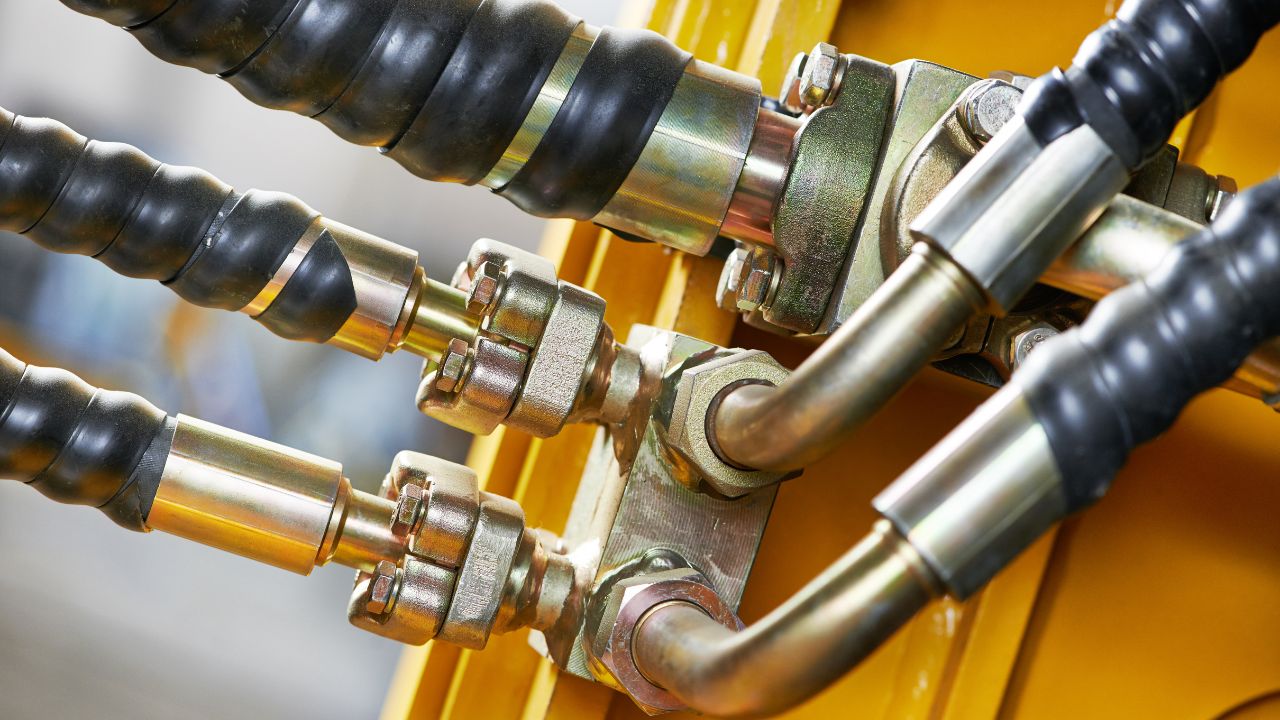
Formed tube assemblies transport pressurized fluids and gases while maintaining system integrity across diverse operating conditions. These components connect pumps, valves, and actuators in hydraulic and pneumatic circuits that power machinery and equipment.
Manufacturing complex tube assemblies requires coordinating multiple fabrication steps including bending, tube end form preparation, and leak testing. Proper installation ensures assemblies perform reliably throughout extended service cycles without premature failure.
Hydraulic and Pneumatic Systems
Hydraulic line pipes deliver pressurized fluid to actuators and cylinders that generate mechanical force in industrial equipment. These systems require tubes capable of withstanding pressures exceeding 3,000 PSI without deformation or leakage.
Pneumatic circuits use compressed air to control valves and automation systems across manufacturing facilities. Precision-formed tubing maintains consistent flow characteristics that ensure accurate timing in automated production processes.
Heat Exchange and Cooling Systems
Heat exchangers rely on tube assemblies to transfer thermal energy between fluids in HVAC and refrigeration applications. The industrial tubes market serving this sector will grow from USD 701.8 billion in 2025 to USD 1.52 trillion by 2035.
Condensers and cooling systems require corrosion-resistant materials that maintain thermal conductivity over extended operating periods. Building technology applications demand energy-efficient designs that reduce operating costs while meeting environmental regulations.
Structural Components in Machinery
Tube assemblies provide structural support in equipment frames and protective barriers across industrial facilities. These components distribute loads and resist impact forces in material handling equipment and production machinery.
Material selection for tube bending balances strength requirements with weight constraints in structural applications. Cold-formed tubes offer enhanced mechanical properties compared to welded alternatives in critical load-bearing assemblies.
What Are the Technical and Commercial Priorities for Buyers?
Buyers prioritize material compatibility and precision equally at 27.5% each when selecting tube assemblies for industrial applications. Durability accounts for 22.5% of purchasing decisions, followed by cost at 17.5% and lead time at 12.5%.
Technical requirements vary significantly across industries based on operating pressures, temperature ranges, and environmental exposure. Commercial considerations include total cost of ownership, supplier reliability, and ability to scale production volumes.
Importance of Material Compatibility and Precision
Material compatibility determines whether tube assemblies resist chemical attack and maintain structural integrity in specific operating environments. Chemical resistance, temperature tolerance, and biocompatibility drive material selection for specialized applications.
Achieving precision tube bending requires tight dimensional control to ensure proper fit and function in assembled systems. Tolerances for inner and outer diameters, roundness, and straightness directly impact system performance and leak prevention.
Balancing Durability, Cost, and Lead Time
Durability requirements balance material costs against expected service life in dynamic applications subjected to fatigue cycling. Components in hydraulic systems must resist crack propagation despite repeated pressure fluctuations and mechanical vibration.
Supply chain volatility causes raw material price fluctuations up to 30%, impacting total project costs. Customization adds 15% to 60% to base pricing depending on diameter specifications, wall thickness, and finishing requirements.
Impact of Digital Procurement Trends
Digital procurement platforms enable buyers to compare specifications and pricing across multiple suppliers for standard tube configurations. Real-time inventory visibility reduces lead times for common sizes and materials maintained in distributor stock.
Online customization tools allow engineers to specify exact dimensions and receive instant quotes for prototype quantities. This shift toward digital engagement streamlines purchasing processes while maintaining technical accuracy in component specifications.
How Do Regional and Demographic Factors Influence Usage?
Regional manufacturing concentrations and industrial development levels determine demand patterns for precision tube assemblies across global markets. North America represents 40% of the market share, driven by advanced aerospace and medical device manufacturing sectors.
Asia-Pacific accounts for 30% of demand through rapid industrialization and automotive production expansion. Europe maintains 25% market share with an emphasis on quality manufacturing and renewable energy infrastructure projects.
North America’s Mature Industrial Market
The U.S. industrial tubes market reached USD 130.46 billion in 2023, with projections to USD 240.27 billion by 2032. Suburban industrial hubs surrounding major metropolitan areas facilitate efficient logistics and supply chain integration for manufacturers.
Aerospace and medical device sectors concentrate in specific regions with established supplier networks and technical expertise. Advanced manufacturing capabilities support demanding applications requiring stringent quality control and material certification.
Growth Drivers in Asia-Pacific Manufacturing Hubs
China produced over 10 million tons of steel tubes in 2024, supporting domestic manufacturing and export markets. Coastal industrial clusters optimize shipping access for raw materials and finished goods distribution across international markets.
Automotive production expansion drives significant tube assembly demand as vehicle manufacturing shifts toward electric powertrains. Infrastructure investments in energy transmission and building technology create additional opportunities for tube assembly suppliers.
European Focus on Quality and Innovation
European manufacturers emphasize precision engineering and environmental compliance in tube fabrication operations for automotive and aerospace applications. Stringent quality standards and material traceability requirements differentiate the regional market from cost-focused competitors.
Research partnerships between manufacturers and technical universities advance material science and forming technologies. Renewable energy projects, including solar thermal systems and hydrogen infrastructure, create emerging applications for specialized tube assemblies.
What Are the Cost Structures and Pricing Tiers for Formed Tube Assemblies?
Pricing structures for tube assemblies vary significantly based on material grade, manufacturing process, and customization requirements. Budget materials range from USD 0.50 to USD 1.20 per pound, while premium alloys exceed USD 12.00 per pound.
Manufacturing process complexity impacts total costs as seamless tubes command higher prices than welded alternatives. Volume commitments reduce per-unit costs through economies of scale in production setup and material procurement.
Budget Range Materials and Applications
Carbon steel and Grade 304 stainless steel serve general industrial applications at USD 0.50 to USD 1.20 per pound. Welded tubes produced through hot-rolled processes offer cost-effective solutions for construction and basic HVAC systems.
These materials require protective coatings in corrosive environments to prevent premature failure. Lower corrosion resistance limits applications in marine, chemical processing, and outdoor installation environments.
Mid-Range Options and Their Market Segments
Grade 316 stainless steel and copper alloys provide enhanced performance at USD 1.20 to USD 3.50 per pound. Seamless construction and cold-drawn finishing deliver tighter dimensional tolerances for automotive and chemical processing applications.
Advanced CNC control systems enable consistent tube end forming operations that maintain specifications across production runs. Marine environments and chemical processing facilities benefit from improved corrosion resistance in this price tier.
Premium Tubing for Specialized Industries
Titanium alloys, nickel alloys, and medical-grade materials range from USD 3.50 to USD 12.00+ per pound for aerospace and medical applications. Micro-extrusion capabilities and cleanroom production environments justify premium pricing through regulatory compliance and performance advantages.
Exceptional strength-to-weight ratios reduce overall system weight in aerospace assemblies while maintaining structural integrity. Biocompatibility and sterilization compatibility enable medical device manufacturers to meet FDA requirements for implantable and surgical instruments.
The Role and Impact of Formed Tube Assemblies in Industrial Manufacturing Evolution
Formed tube assemblies enable critical industrial systems across transportation, energy, and medical sectors through precise fluid control and structural support. The precision tubes market will expand from USD 16.73 billion in 2025 to USD 84.37 billion by 2035 at a 5.9% CAGR.
The industrial tubes market serving multiple applications will grow from USD 701.8 billion in 2025 to USD 1.52 trillion by 2035. Market distribution shows automotive applications lead at 35%, followed by HVAC at 20%, aerospace at 15%, industrial machinery at 15%, medical at 10%, and electronics at 5%.
Material innovations and manufacturing process improvements continue expanding the performance envelope for tube assemblies in demanding applications. Titanium adoption in aerospace and micro-extrusion capabilities in medical devices demonstrate how technical advances address emerging requirements. Manufacturers investing in advanced forming equipment and quality systems position themselves to serve high-value segments requiring certified compliance and dimensional precision.
CRD MFG, Inc. provides integrated tube fabrication services supporting product development from prototype through production. Our facility combines precision equipment with dedicated project management to deliver complex assemblies meeting industry-specific standards.
Ready to discuss your tube fabrication requirements? Contact our engineering team to review your specifications and explore manufacturing solutions tailored to your application demands.
